
Issue #85: Saturday 24 January, 2026
Note: Perry Middlemiss and I also discussed our 2025 reading on a recent episode of our podcast.
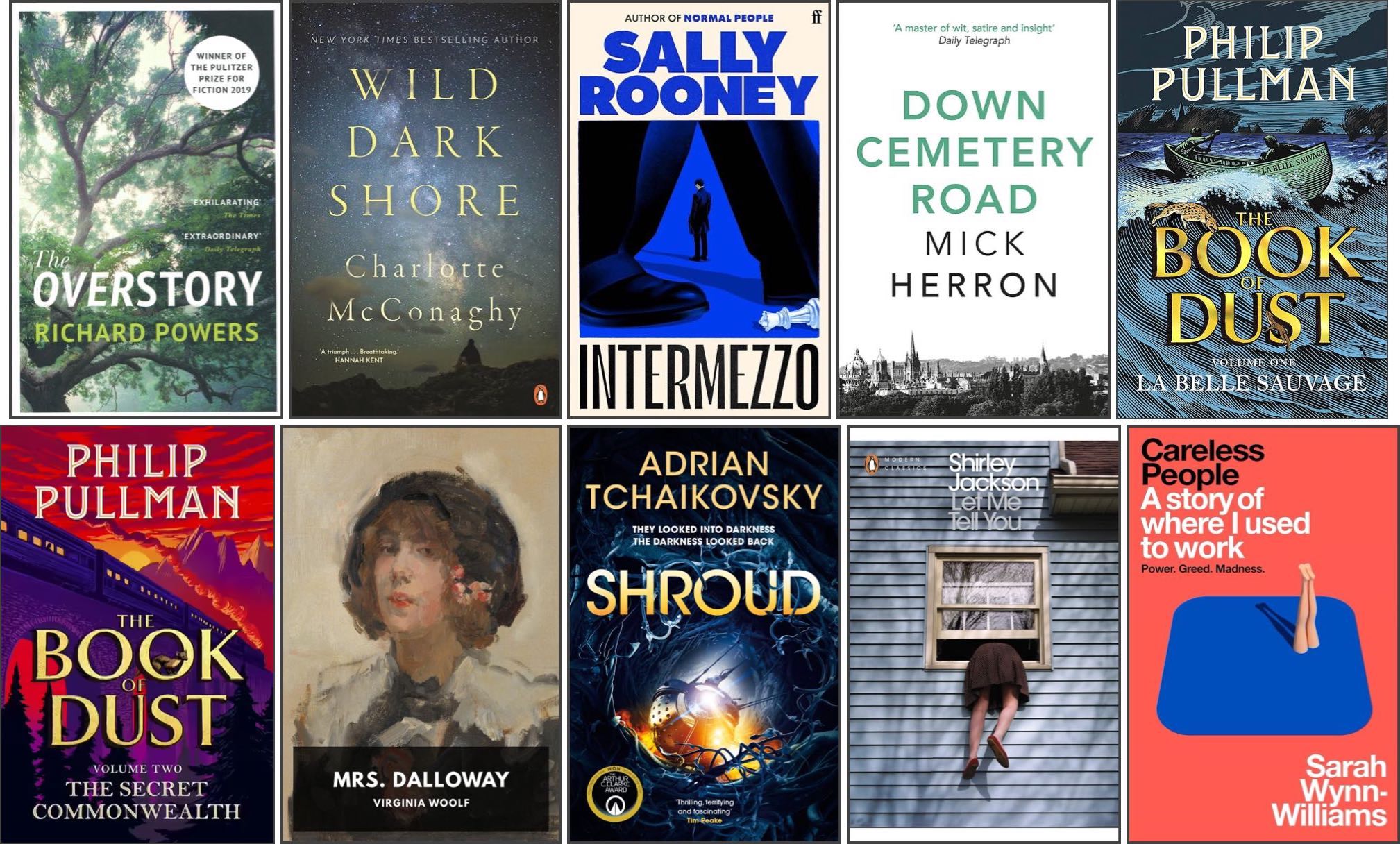
Links on titles below go to reviews in other issues of this newsletter.
Richard Powers is such a great writer. I loved his Bewilderment, and The Overstory was just as good or probably better. I’m looking forward to reading more of his work.
Only two works of science fiction in my top ten reads last year, which probably says something about how my reading tastes have changed over the years.
Each year I love to analyse my reading in various ways. In 2025 I only managed to read 44 books, so these statistics aren’t as indicative as they have been in previous years.
Anyway, for what it’s worth, here are some pie charts for your entertainment.
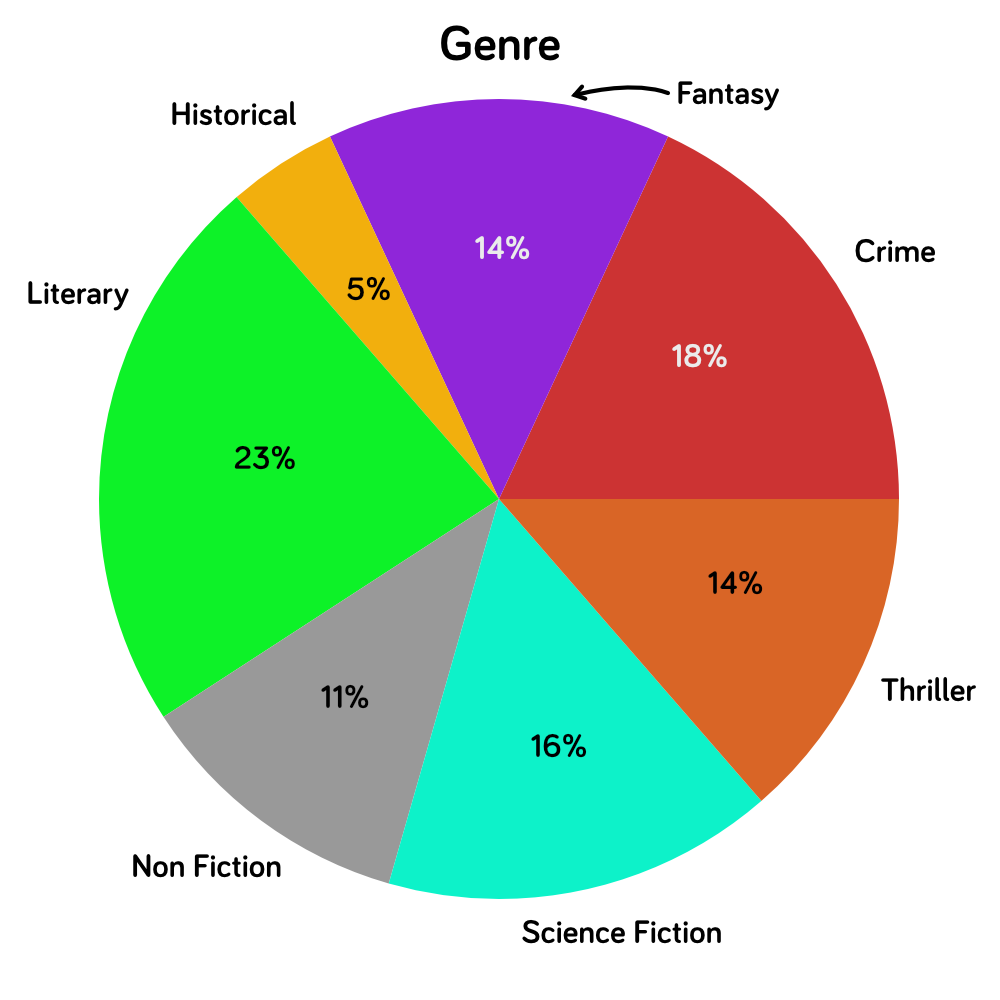
This year’s emphasis on “literary” or “non-genre” reading is a little unusual for me, as is the amount of fantasy I read.
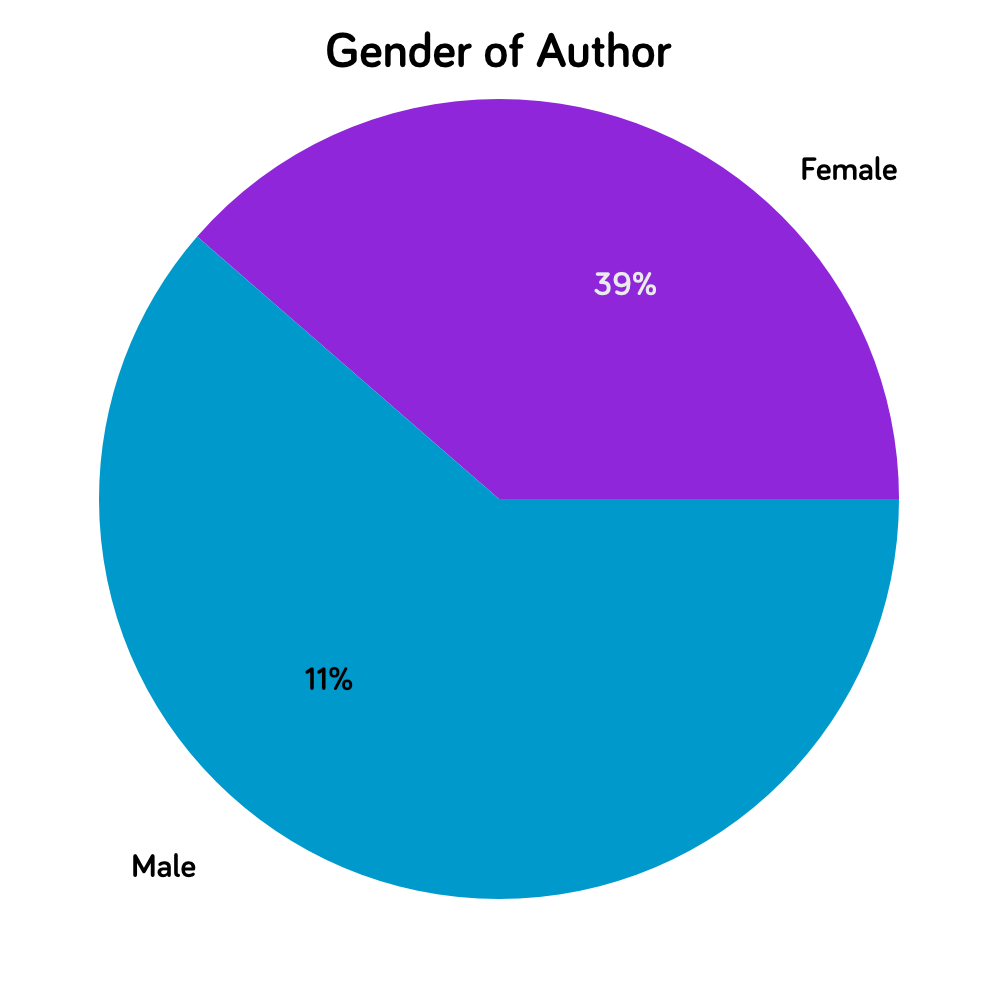
Pretty poor going on the gender balance this year, but again with only 44 books read it may not be overly indicative of my general reading balance.
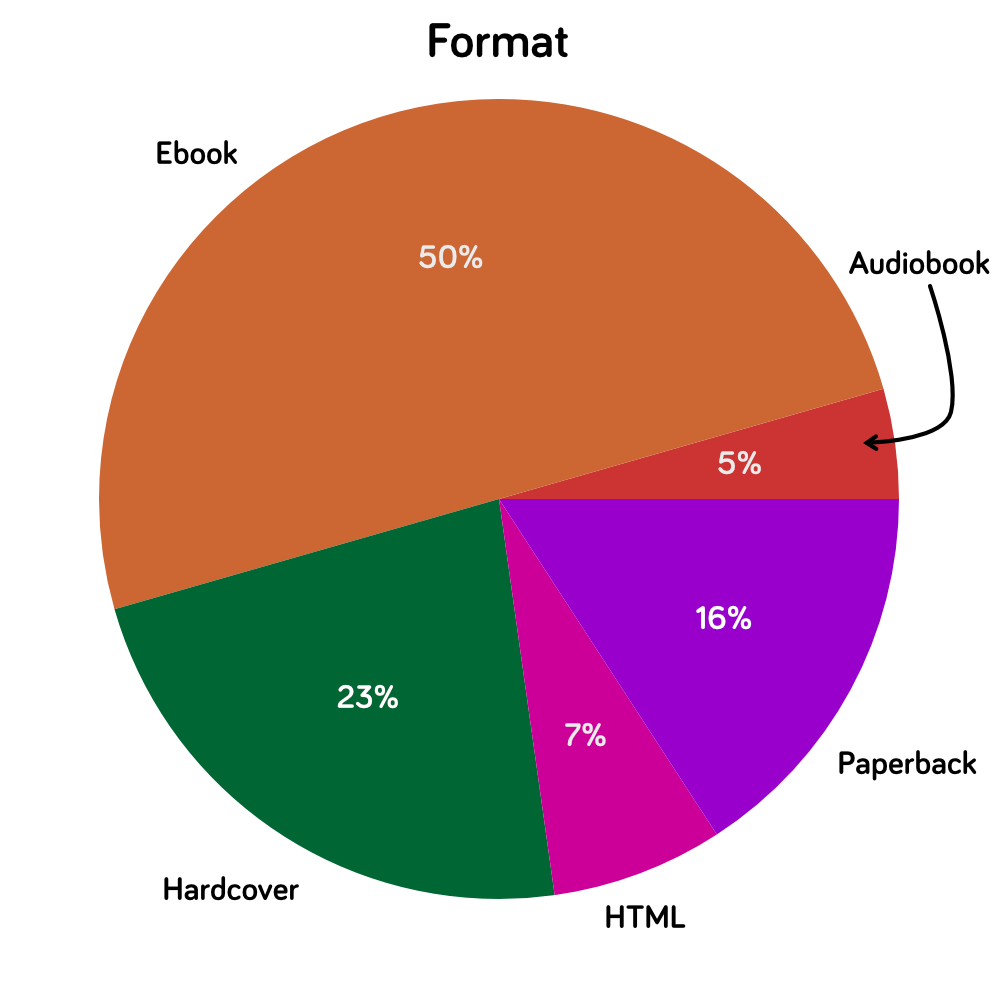
A little explanation about the above formats. “HTML” means that I read the book in raw HTML source code as part of producing the title for Standard Ebooks.
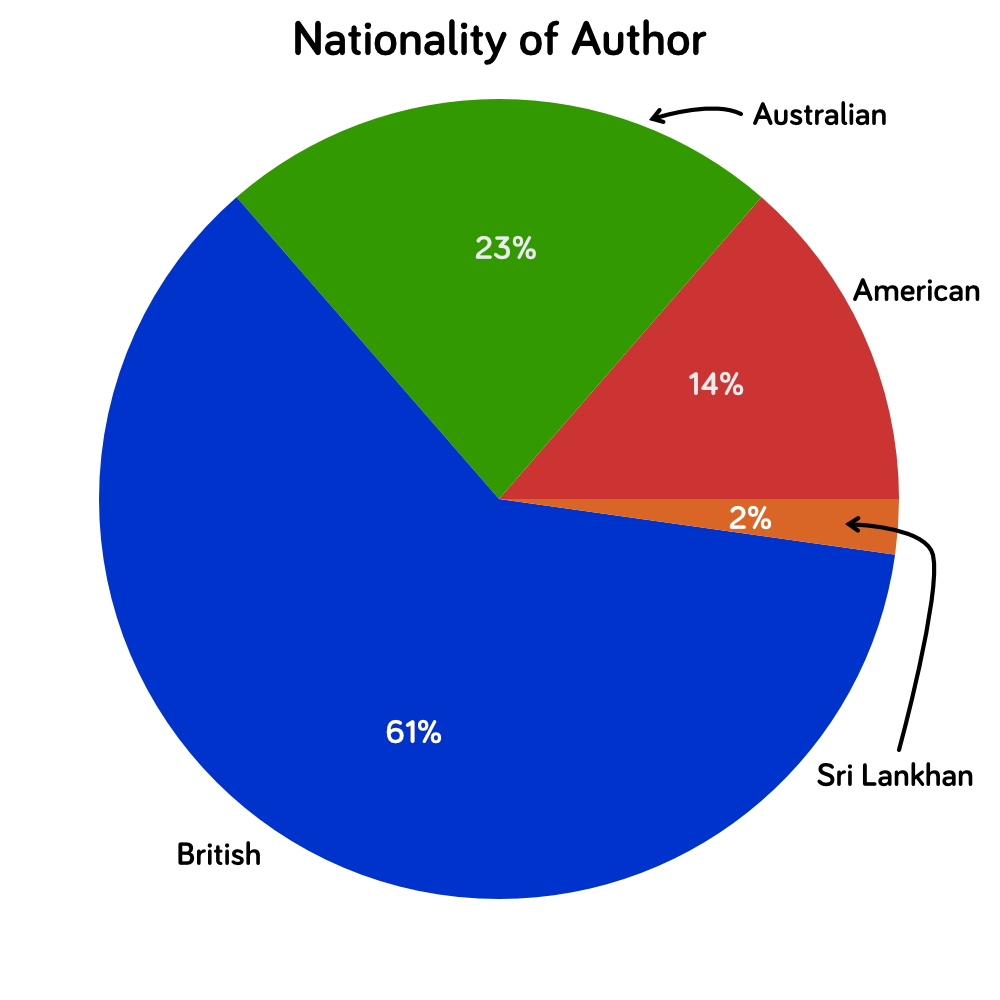
A lot of books by British authors this time around! I’m not entirely sure why. Usually my percentage of Australian authors is higher than it was last year.
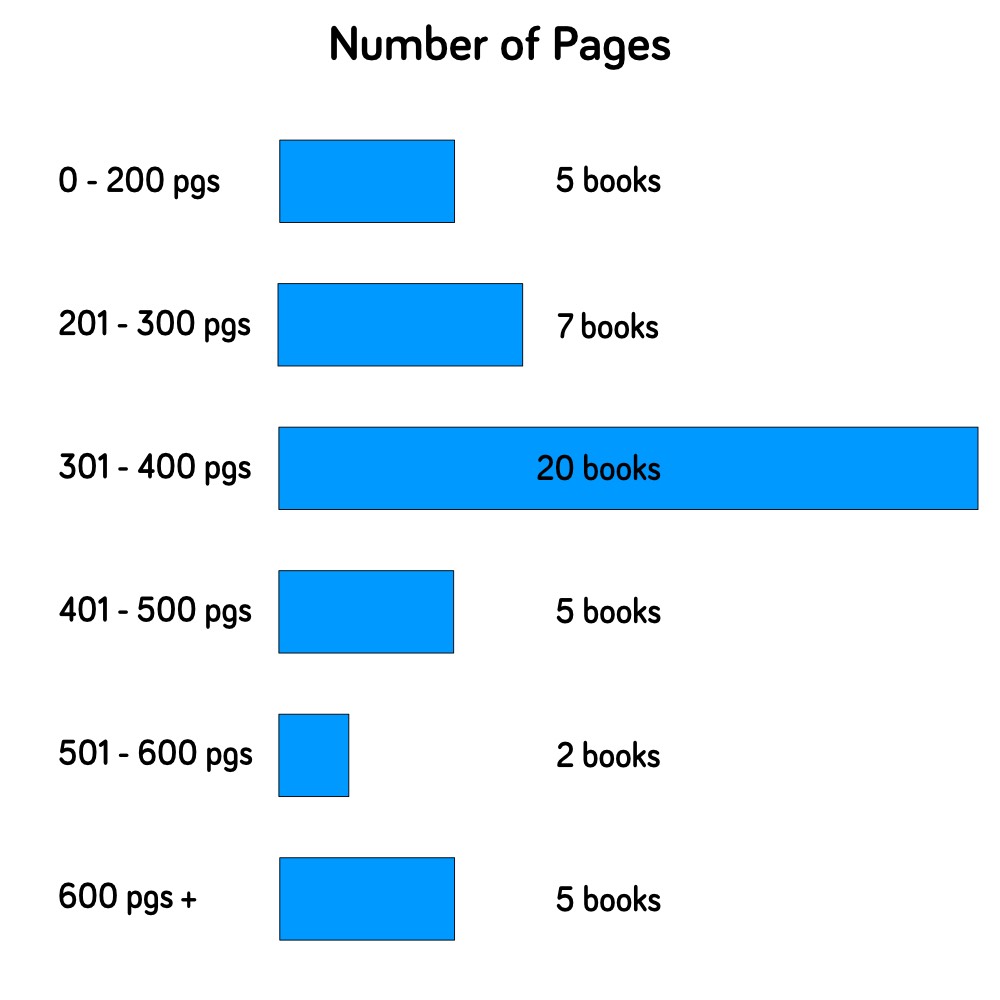
The longest book I completed was Our Mutual Friend by Charles Dickens: and I read it all in raw HTML source code format, too! The shortest book was The Wood at Midwinter by Susanna Clarke, really just a short story with nice illustrations.
Next issue will be a “normal” review issue. The one after that will cover my favourite watching of 2025.
From: Mark Nelson
Date: 1 February 2026
Mark:
I enjoyed reading your various "Best" lists for 2025. But then I've always enjoyed reading lists. Your collection of pie charts was also of interest, as well as your ending analysis on the page length of the books that you had read. You didn't give an average value, but the mode and median was clearly the 301-400 page range.
Why did you decide to read Mrs Dalloway? I assume that you provided your reasons when you reviewed it in Biblioscope. But if you did, I don't remember what they were. I mention this because I reread Mrs Dalloway last year. In my case it was because I heard mentioned on the BBC World Service that 2025 was the centenary of its publication — this was sufficient reason for me to track down a second-hand copy. Now I'm wondering if there were any good novels published in 1926 that I should consider reading in 2026. I'm sure that ChatGPT would offer me some suggestions if I asked.
David:
I read Mrs Dalloway specifically because I had bought a two-book package from Readings of novels by the Australian writer Miranda Darling, one of which (Thunderhead) was clearly a modern take on Mrs Dalloway, and since I hadn’t read that yet, felt I needed to. I’m glad I did.
Books from 1926? Check out Standard Ebooks. We have lots of books which are now in the public domain, and currently anything published before 1930 is in the public domain in the U.S.A. (where S.E. is based).
Mark:
The other book that I've read in your top 10 was The Tusks of Extinction. This was prominently displayed in my local library, but picking it up I wasn't excited by the description of the story. I picked it up, then I put it back down again. But after reading what you and Perry had to say about it I decided to read it and I'm glad that I did. I wish there were more novels of a similar page length to this! Perhaps if I have some spare time at the library I will examine the SF bookcases for slim volumes.
How far back to your annual summary of books go? Have you thought about collecting them together? Perhaps ten years worth? That may or may not prompt some recollection by you as to how your reading has changed, or has not changed, over the period in question.
PS: ChatGPT puts forward the following novels that are 100 years of age in 2026
Earnest Hemingway, The Sun Also Rises. Franz Kafka, The Castle. A. A. Milne, Winnie-The-Pooh. Agartha Christie, The Murder of Roger Ackroyd. William Faulkner, Soldiers' Pay.
I've read none of these... but I will have to at least read Winnie-The-Pooh, one of Sianne's favourite characters.
David:
Thanks, Mark.
If you’d like to make a modest contribution to my efforts in this newsletter, I’d love it if you would buy me a coffee.
Want to comment? Please send an email to:

© Copyright 2025 by David R. Grigg
and licensed under Creative Commons License CC BY-ND 4.0.