
Issue #83: Wednesday 17 December, 2025
More to talk about this issue, as my pace of reading has picked up again. And I’ve recommenced doing volunteer work for Standard Ebooks, which involves reading (and indeed, proof-reading) the works I produce for them. In fact, there are so many books and media to talk about this time that I realise I should have published another issue quite a while ago!
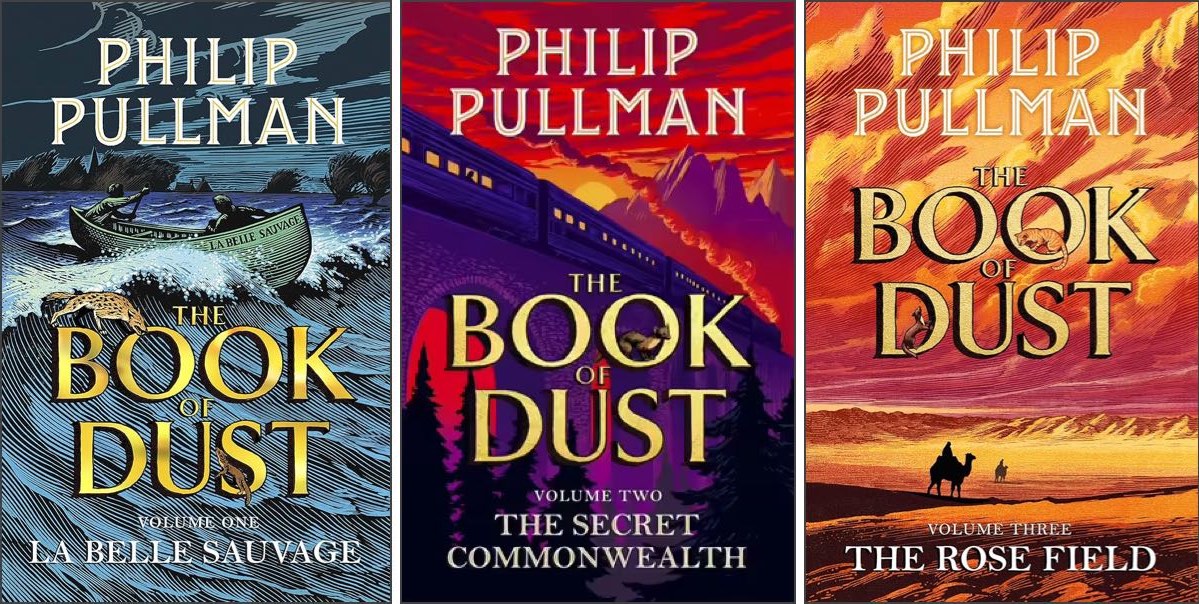
This is a follow-up to his earlier His Dark Materials trilogy, published between 1995 and 2000. The last book of this most recent trilogy was published earlier this year.
Some general thoughts before I talk about the individual volumes in this new series: this is clearly intended for a more adult audience than his earlier books based on the same characters. His Dark Materials is generally regarded as being suited for middle-school or perhaps upper-school readers (though definitely a challenge for the average young reader). This new trilogy would have to be classified either as “young adult” or simply “adult” reading.
I won’t attempt to summarise the books of His Dark Materials in any detail: go read them yourself! But I will say that they feature an alternate world in which the “souls” of humans are manifested in the physical world as companion creatures known as dæmons, an idea which relects a reification of the Jungian archetypes of the anima and animus.
The main characters are a young girl called Lyra Belaqua, about 10 years old when the first trilogy begins, and her dæmon Pantalaimon. Later, Lyra acquires the name Lyra Silvertongue, which she then uses exclusively. She’s about 12 years old, on the verge of puberty, when the trilogy ends.
These new books bracket the earlier story in time. In the first volume La Belle Sauvage, Lyra is a babe in arms. The second volume, The Secret Commonwealth, is set ten years after the events of the previously-published trilogy. The third volume, The Rose Field continues on directly after the second.
The plots of these new books are quite complex, so in what follows I’m just going to give the barest of an outline of a few points.
In the first volume La Belle Sauvage we’re introduced to a young boy, Malcolm Polstead, who is a schoolboy who lives and helps out at his family’s riverside inn in Oxford, in Lyra’s world. He has his own dæmon, Asta. He becomes involved when a baby—who turns out to be Lyra—is given asylum by the nuns at a Priory on the other side of the river, and when sinister forces arrive intent on spiriting the child away. Malcolm and a somewhat older girl Alice end up transporting the baby down the river when a phenomenal flood destroys the Priory, having a series of adventures as they are pursued by a particular evil individual.
In the second volume, The Secret Commonwealth, Lyra is now a young woman of 22, a student at a college in Oxford. She and her dæmon Pantalaimon are increasingly at odds with each other. The issue is that Pantalaimon believes that Lyra has fallen under the influence of some pernicious authors who promote hard-edged materialism and pragmatism at the expense of imagination and conscience. It’s clear that Phillip Pullman is on the side of the latter, despite what has been seen as his attacks on religion in his earlier work (there’s can’t be many books for young people in which God dies!).
Then Pantalaimon witnesses a man being murdered and he and Lyra eventually recover the man’s knapsack. The papers inside the knapsack talk of a mysterious red building in the desert to the west of China, from which come beautiful roses which generate a strangely-potent oil.
But Pantalaimon’s anger with Lyra over her changed thinking boils over, and he breaks away from her and abandons her. In this volume and the next, The Rose Field, Lyra is thus forced to try to find him, a long, long journey which takes her towards the east and to the red building.
Meanwhile, Malcolm Polstead, now in his mid-thirties and a lecturer at Lyra’s college in Oxford, is involved in a secret organisation opposed to the strictures of the Magisterium, which you can think of as the Catholic Church at its worst, an authoritarian, repressive power-base, intent on world domination and control. As part of his role as a secret agent, Malcolm too ends up on a separate journey to the east and towards the red building in the desert.
My take on all this?
While I did enjoy reading this new trilogy, I definitely think Pullman actually bit off more than he could chew. I think all of the volumes of The Book of Dust are far too long (well over 600 pages each) and the journeys Lyra and Malcom undertake eventually become tedious. I started to get impatient for them to actually get to this strange red building.
Towards the end of the last volume, The Rose Field, it really feels as though Pullman was trying to wrap it all up quickly, which he does in what I felt was a very unsatisfying way, leaving many loose threads and few real explanations. As I approached the end I did in fact start to wonder if Pullman was going to end the last book with “To be continued” in a fourth volume. But he doesn’t, and I think a further volume is highly unlikely. So I was a little disappointed.
Look, it’s still well worth reading. The first volume in particular is excellent. There are some intriguing ideas and plenty of interesting action and characters. It just could have been shorter and better.
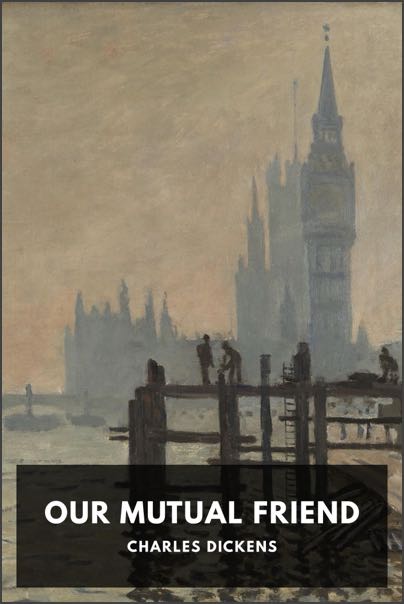
This was another production I did for Standard Ebooks. It’s the last novel which Dickens completed before his death (leaving The Mystery of Edwin Drood unfinished). As with most of his other novels, it was published in serial form over many months, and has a large number of characters and plot threads. Like many of Dickens’ works, it addresses social concerns such as how the poor and destitute are treated, but tempers these more serious themes with humor and satire.
The novel opens with the retrieval of the body of a drowned man from the Thames river—a body which is identified as that of John Harmon, heir to his father’s huge fortune. What happens to this fortune and to the other people named in the will make up a large part of the complex plot.
There’s one particular plot thread that almost certainly Dickens was forced to change towards the end, because its resolution greatly stretches credibility to an almost absurd degree.
You can download a beautifully formatted free ebook edition here.
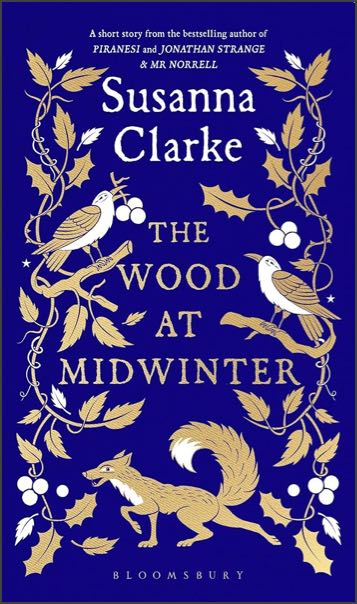
This is really just a short story, though it is beautifully bound and illustrated. It’s by the author of Jonathan Strange & Mr Norrell and Piranesi, two of my favourite books of all time, so I felt I had to have it, still hoping that Clarke will eventually produce another novel-length masterpiece.
Set in the same universe as Jonathan Strange, this short work deals with the young woman Merowdis Scot who can talk to animals and trees and spends much of her time wandering in the woods.
Delightful both to look at and read. A great Christmas present, though in fiction terms it’s just a bauble, which can be read in half an hour.
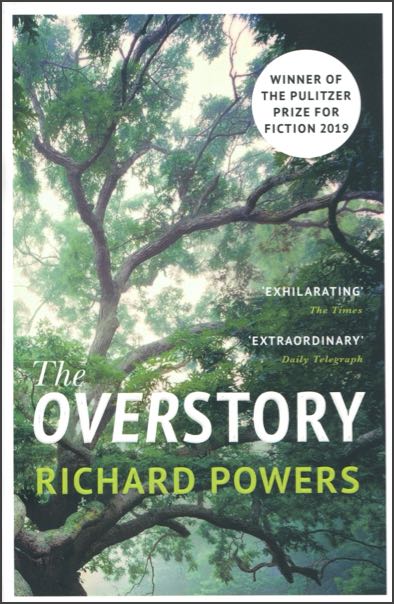
Speaking of trees, this longish novel by Powers is all about trees and the relationships of a diverse group of people with trees.
Let me start by saying that this book may well end up at the top of my favourite books read in 2025. It was nominated for the Booker Prize and won the Pulitzer Prize for Fiction in 2019. The only other book I’ve read by Powers was Bewilderment, which I thought was excellent.
Really, the summary I’ve already given covers all of what it’s about. We’re introduced one by one to various people in America and told their stories over decades, each of which in different ways involves interacting with trees.
Nicholas Hoel is the descendant of an immigrant who arrives from Norway in the mid 1800s and moves to a farm in Iowa, where, finding a chestnut in his pocket, plants a tree far from others of that species and so survives the devastating fungal blight which wipes out chestnut trees acrosss the nation. Many generations later, Nicholas, a budding artist, lives alone in the old farmhouse, with a single tall chestnut growing next to it.
Mimi Ma is the granddaughter of a Chinese immigrant who comes to America in the 1940s and plants mulberry trees with the aim of raising silkworms. Working in an office, she treasures a quiet treed area to have lunch in the open. Until the local authorities cut down all the trees, turning her into a fierce activist.
Adam Appich is a neurodivergent boy whose father plants a different tree for each of his children, and plants a maple for Adam. He grows into a man fascinated by nature and how people respond to it and begins to study psychology.
Ray Brinkman and Dorothy Cazaly are a couple who vow to plant a new tree on every anniversary of their marriage.
Douglas Pavlicek becomes a soldier and is wounded in combat. When he returns home, he is outraged by the clear-felling of forests and begins to try to make redress by planting thousands of saplings himself.
Neelay Mehtah is fond of climbing trees as a child. Until he falls from a great height and his body is shattered. He turns inward to what he can do with his mind, and becomes a tech millionaire on the basis of his software, a game which replicates reality in greater and greater detail.
Patricia Westerfold is a young scientist who becomes convinced that trees communicate with each other, but whose ideas are laughed at and she is disgraced. Only later in life does her research begin to be accepted and applauded. (A lot of this character seems to me to be based on Suzanne Simard who did similar work and wrote an excellent book Finding the Mother Tree).
Olivia Vandergriff is a young student who... dies. And then comes back to life, convinced that voices are telling her to save the trees.
The lives of all of these characters eventually grow together (it’s a long book, almost 600 pages in paperback) and several of them band together to protest the felling of ancient forests. Alas, tragedy, grief and betrayals await. That sounds like a downer, but in fact the book ends up on a very positive note.
The Overstory is just wonderful to read, even if in the middle part of the book my aging memory meant that I had to keep checking back to the first part to find out “Who is this person again?”
Highly recommended. He’s a fantastic writer. Now I have to find time to read his other novels.
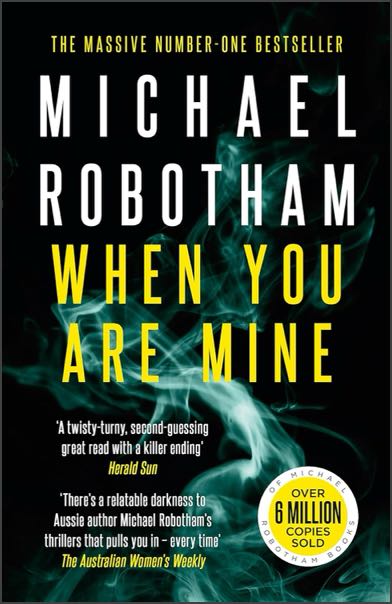
This is the first book in what is now a series featuring Constable Philomena McCarthy of the London Metropolitan Police. The twist is that she’s the daughter of a notorious and still active criminal, and several of her uncles have spent time in jail. I read and greatly enjoyed the second book in the series, The White Crow, a few months ago, and my review of that is here.
Alas, to my mind this first book wasn’t as good. Too many times when the lead character does things which just seem plain stupid and against her own best interests. Still, there are some important themes dealing with domestic violence and corporate corruption, and the plot rolls along.
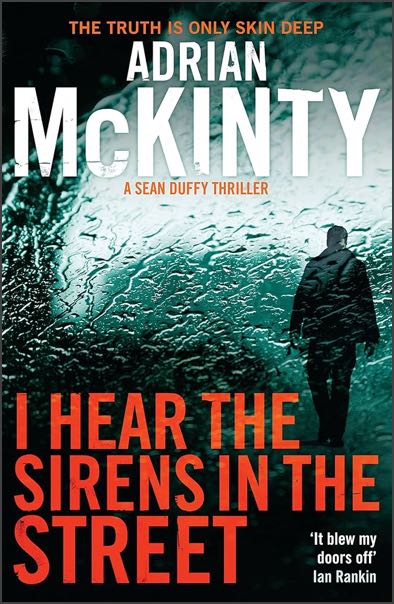
This is part of a series set during “The Troubles” in Northern Island, and featuring Sean Duffy, a policeman in the Royal Ulster Constabulary, a bit of an outcast in that he is a Catholic compared to his mainly Protestant colleagues.
In this one, Duffy has a baffling case: the torso of a man discovered packed into a discarded suitcase. Even determining the identity of the victim is a difficult process, but even after they know who he is, the circumstances of his death and the motives of his killer or killers are mysterious. Duffy of course eventually uncovers the truth, but with shattering consequences.
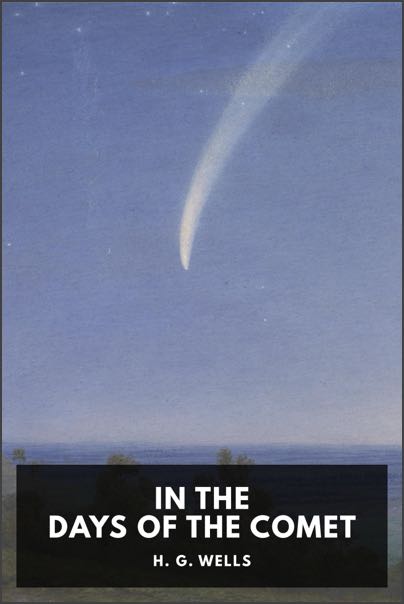
Another project I did for Standard Ebooks. One of Well’s more obscure titles, this one features the consequences of a comet which impacts the Earth, spreading vapours which change human consciousness. It’s a bit like the recent TV series Pluribus in that respect. Most of Wells’ focus in the book is on social commentary on British society in the late 1800s and early 1900s (it was published in 1906).
You can get hold of a free, beautifully-formatted ebook here.
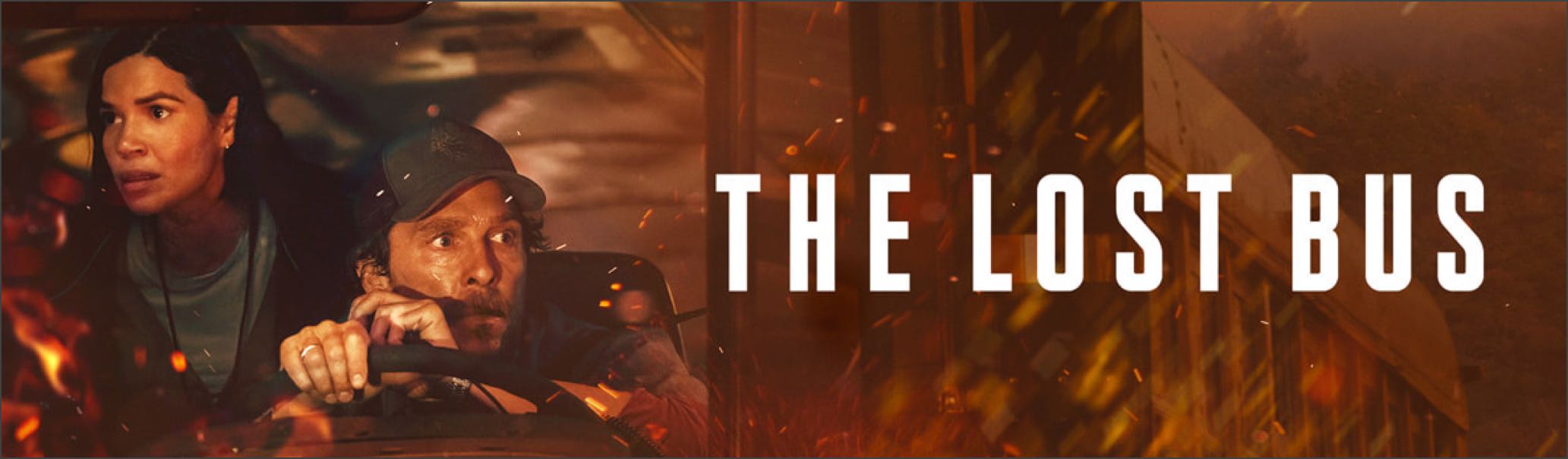
Pretty exciting true story of a school bus trying to escape the flames of the devastating Paradise wildfire in California a few years ago.
I thought this was OK if not stellar. Matthew McConaughey is an actor who generally annoys me, and he does so here. Still, it was watchable.
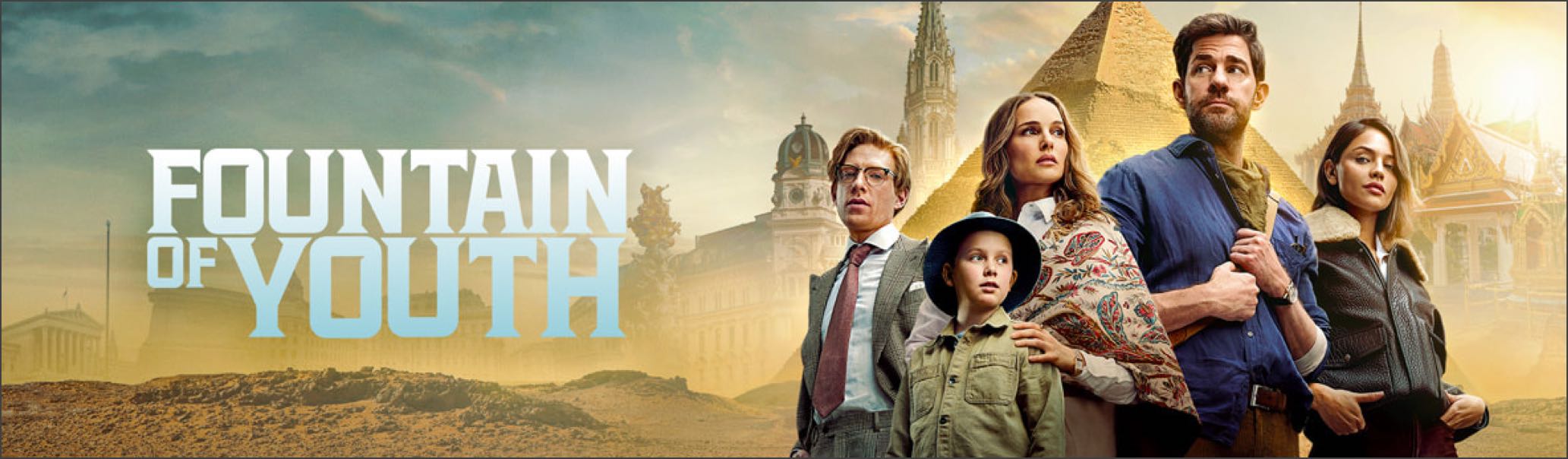
An Apple Original. I really didn’t like this! Plot full of nonsense, thoroughly annoying characters. Give it a miss!

An Apple Original. Also pretty terrible. Guy falls for a girl who turns out to be a secret agent, he gets involved in spy shenanigans. Supposed to be funny, I think. It wasn’t.
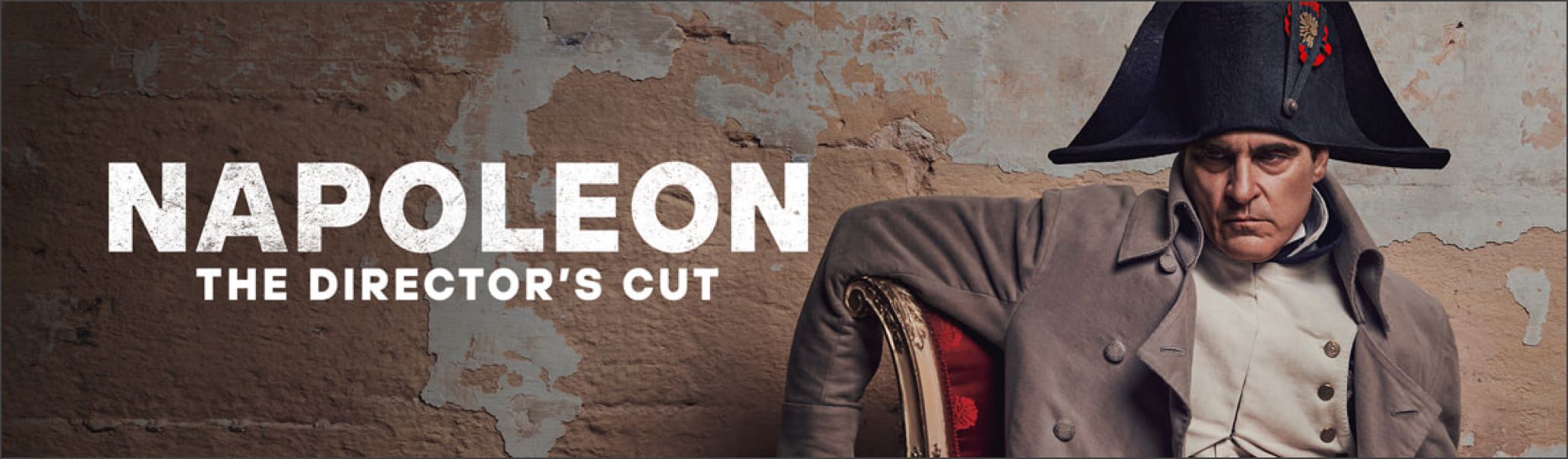
Another Apple Original movie. This one was excellent (Ridley Scott rarely goes wrong), but as a Britisher by birth I was gobsmacked that the film never mentions Napoleon’s naval nemesis Horatio Nelson, the Battle of the Nile or the Battle of Trafalgar, both terrible losses for the French. Indeed I don’t recall any scenes set at sea.
The film is mainly about Napoleon’s obsession with Josephine, though there are a few well-done battle scenes (on land!). The acting is excellent: Joaquin Phoenix as Napoleon and Virginia Kirby as Josephine. I chose the Director’s Cut because I could; it made the whole film well over 3 hours in length, and I enjoyed it throughout.
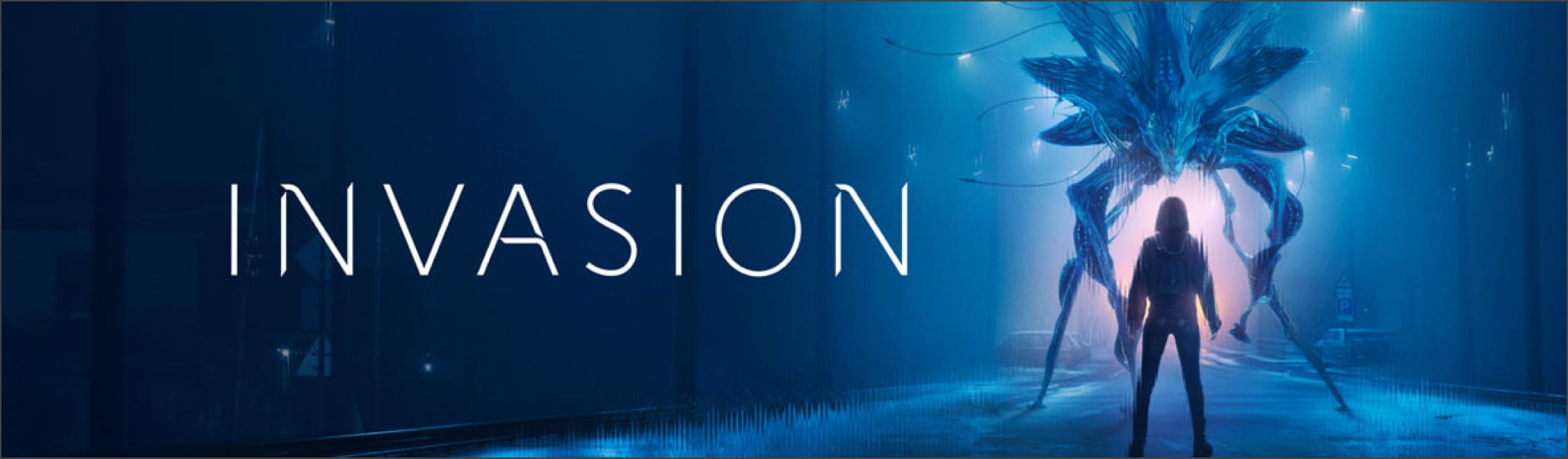
Interesting, with some very strange looking aliens, but perhaps it says something that I haven’t been tempted so far to watch Season 2 of this series.
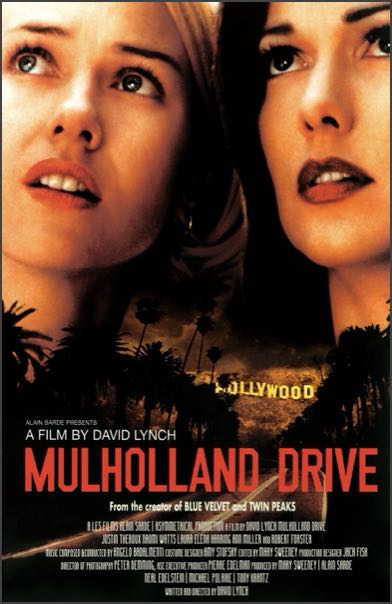
Perry and I talked about this David Lynch movie at great length on our podcast, so I won’t say much about it here, other than to say that I watched it twice within two days. The first time I saw it I was going “what on Earth am I watching here?” throughout. The second time I had a much better idea of what the movie was about. And now, after discussing it with Perry and thinking about it a lot, I’ve decided that I like it, a lot.
If you want to listen to our discussion, you can do that here, or if you don’t want to listen, you can read a transcript here.
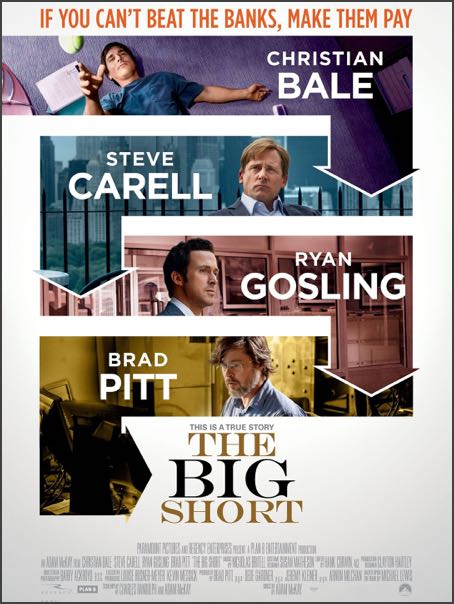
A re-watch, mainly to ponder the likelihood that the vast A.I. investments of the current moment is tracking in parallel with the subprime mortgage boom which crashed so spectacularly,
Amazingly well done considering the technical subject matter, which the film manages to clarify really well and amusingly for its audience.
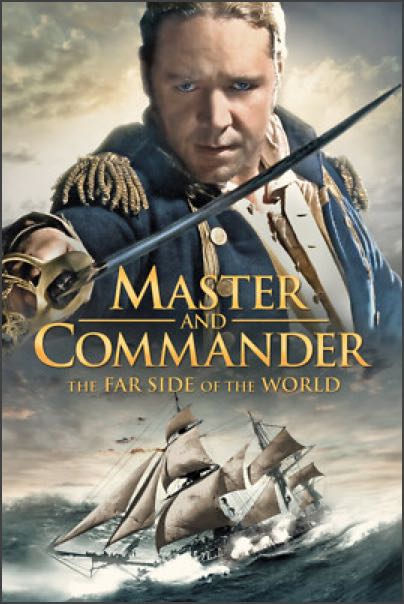
Another re-watch of this movie based on one of Patrick O’Brian’s novels about naval warfare during the Napoleonic Wars. Watched this, I think, mostly because of having watched Ridley Scott’s Napoleon and being annoyed that there were no naval battles even mentioned in that film!
Excellent stuff. Russell Crowe does a pretty good job as Jack Aubrey and Paul Bettany, here playing Stephen Maturin, is always reliable whatever he is in.
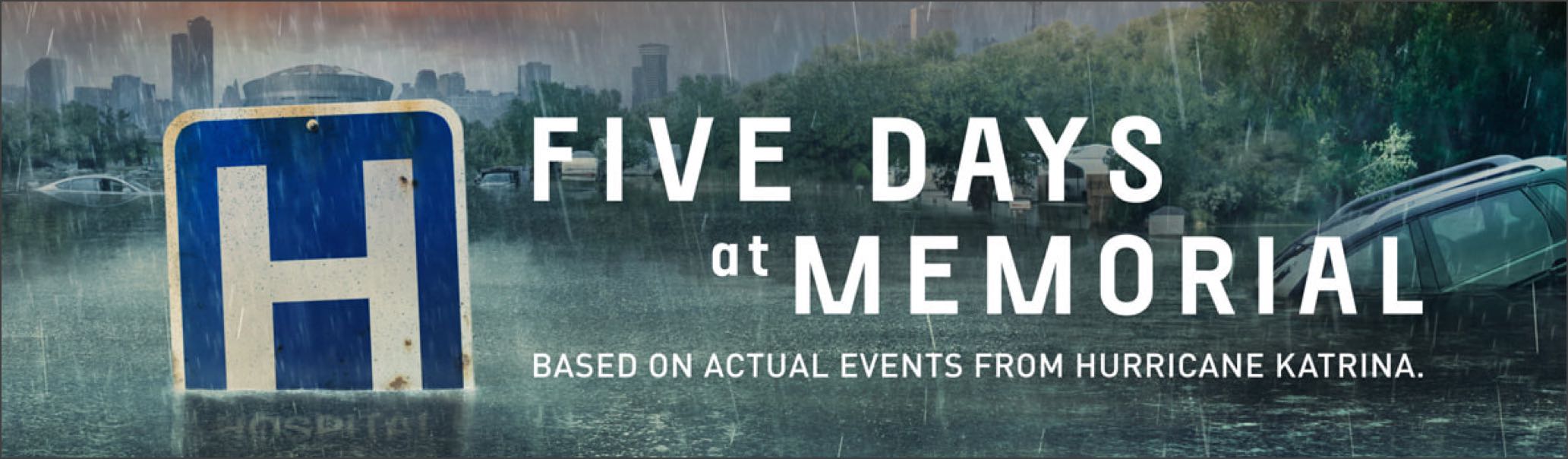
A dramatised story of the impact of Hurricane Katrina on New Orleans, with the focus on Memorial Hospital, in which no less than 43 dead bodies were found after the floods receded. Why exactly did those people die? The series lays a lot of blame on one particular doctor, whether fairly or not I can’t say: it’s certainly obvious from the dramatisation that the staff in the hospital were under appalling pressure.
Grim viewing, but well worth watching.
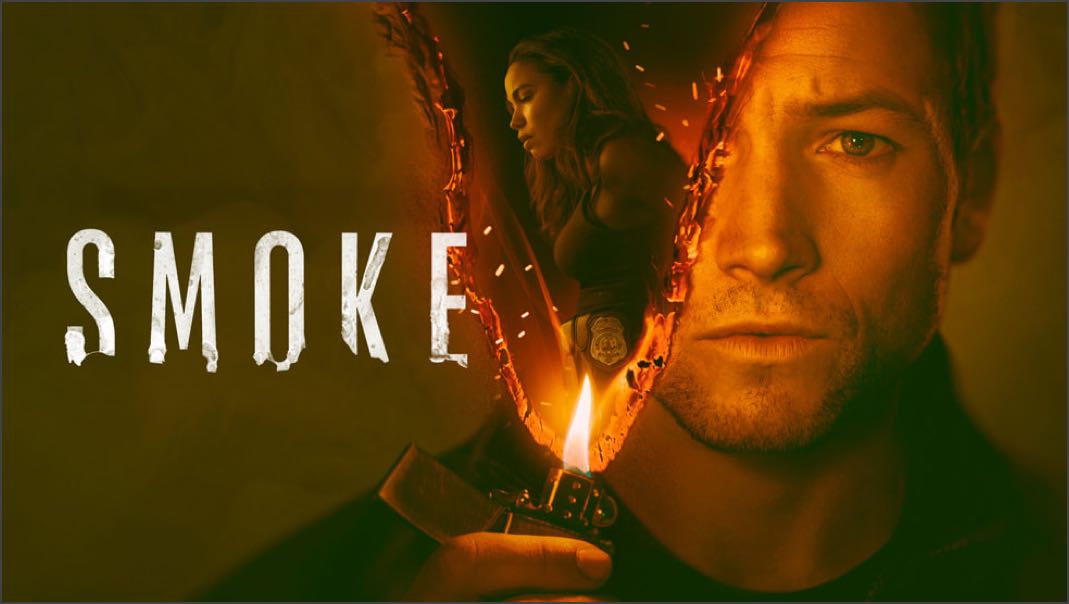
This TV series, based on a script by Dennis Lehane, is about an arson investigation. There are two main characters, one who is actually employed as an arson investigator by the fire department, a guy called Dave Gudsen, played by Taron Egerton. He’s been teamed up with someone from the police called Michelle Calderone, played by Jurnee Smollett.
I’m going to give away spoilers, be warned—as the series goes on Michelle Calderon starts to have suspicions of the arson investigator himself as being possibly an arsonist, and the whole course of the story is about trying to pin these crimes on the Dave Gudsen character, who, as the series goes on, becomes a less and less attractive person.
It was really excellently done, I thought. And the other thing I should say about it is that absolutely no one in it, absolutely none of the characters in it, is clean. They’re all dirty in various ways. They’re all either doing things which are illegal or highly unethical or something. None of them has got clean hands. But nevertheless, the real crunch is to try and pin the deal on this Dave Gudsen character.
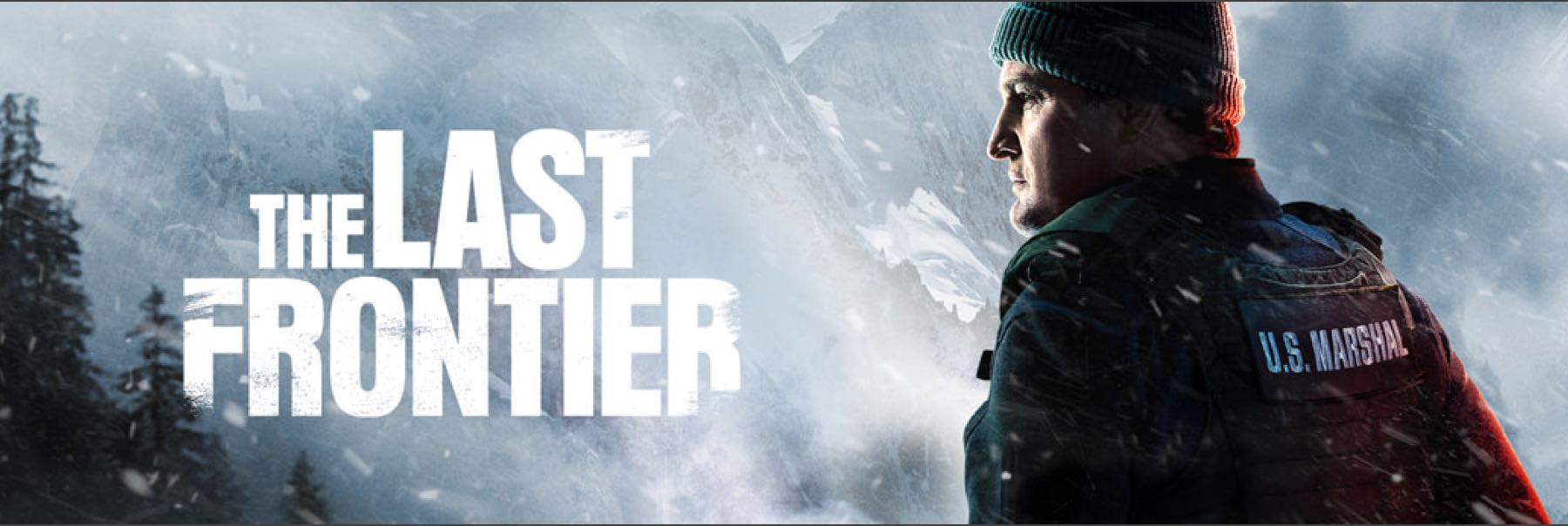
I enjoyed the first half of this TV series, set in Alaska. A plane carrying prisoners crashes in the wilderness, and many of the prisoners survive and escape, to cause various kinds of mayhem in the area and the town of Fairbanks. The local Marshall, Frank Remnick (played by Jason Clarke), has to try to deal with all of this. In particular one of the prisoners is a particularly smart and devious guy who has something to do with the CIA, which organisation sends an operative, a woman called Sidney Scofield, who knows this man. It turns out that she knows a great deal about him, much of which she doesn’t let on to Remnick.
I thought that the second half of the season started to add complication upon complication, though, and detracted from the narrative set in the first half. Worse, the whole season winds up with yet more complications, clearly setting us up for a second season.
So all in all, I liked it, but thought they could have done without some of the complexities of the plot.
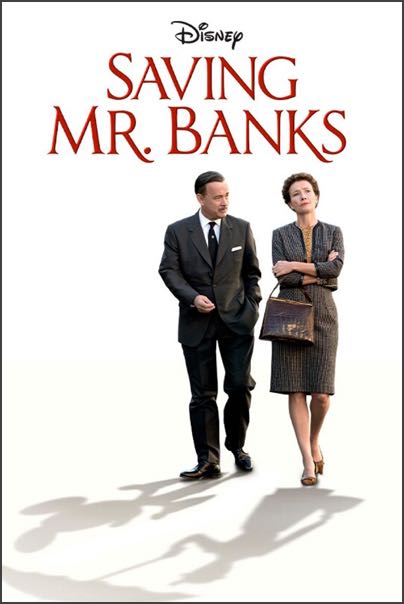
Very entertaining movie based on a true story about Walt Disney (played by Tom Hanks) trying to get a deal with the author of Mary Poppins, P.L. Travers (played by Emma Thompson) so that Disney can release a film based on the book. This turns out to be a very difficult process, enlightened for the audience by flashbacks to the childhood of the P.L. Travers character.
Really well done, I thought, and the two lead actors do a great job, both very convincing in their roles.
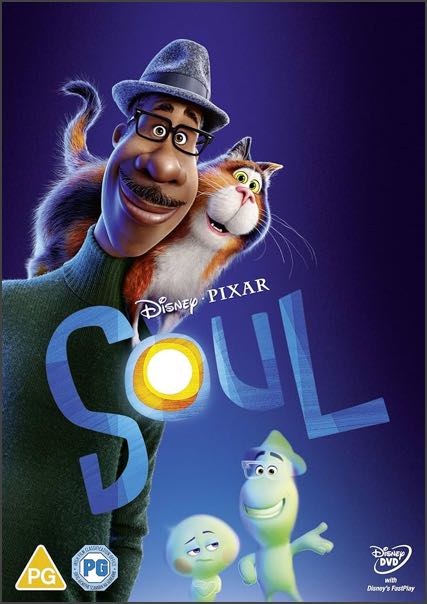
Award-winning Pixar movie about a music teacher with a passion and talent for jazz music. When he gets the gig of his dreams, he is so delighted and distracted that he falls down a manhole and dies and finds himself on the way to Heaven, I suppose. Or Nirvana. Whatever, he is desperate to get back to his life, it’s too unfair! How he does at length manage to do this is the core of the story.
Well done, very amusing and inspiring.
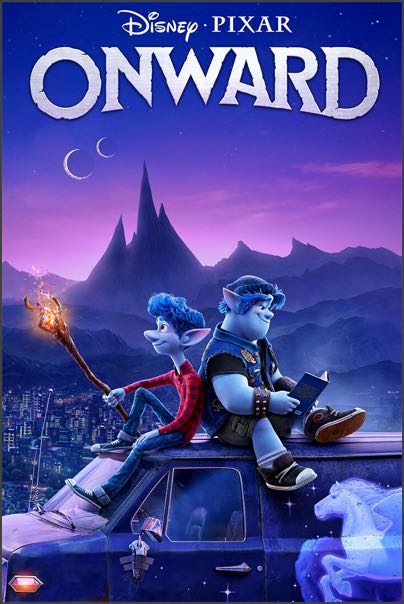
Pretty good Pixar movie about two brothers in a fantasy world, both of them elves. They inherit a spell from their deceased father, a spell which promises to bring their Dad back for just one day to meet them. But the spell goes wrong and they end up with only half of their Dad: the bottom half. They then have to go on a quest to get a MacGuffin which will let them bring all of him back. Entertaining stuff, pretty funny. Great for the kids.
If you’d like to make a modest contribution to my efforts in this newsletter, I’d love it if you would buy me a coffee.
Want to comment? Please send an email to:

© Copyright 2025 by David R. Grigg
and licensed under Creative Commons License CC BY-ND 4.0.